
The first eight years shape everything that follows. Through families, communities, healthcare, nutrition, education and protection, we help children build a strong foundation for lifelong success.
of brain development happens before age 5
children at risk of not reaching their potential
return on investment per $ spent on early learning
the most critical years of a child's life
Each pillar is interconnected — when one is strengthened, the others grow stronger. Together they form a complete system of care, learning, and protection for the whole child.
Loving, responsive families are a child's first and most enduring classroom. We support parenting skills, father involvement, grandparent care and family resilience.
Family resources →Safe neighbourhoods, libraries, faith communities and social networks create the village every child needs.
Community programs →Quality early childhood education through play, curiosity and discovery builds language, creativity and confidence.
Learning frameworks →From prenatal care and immunisation to early detection of developmental delays, health services help every child thrive.
Health guides →Caregiver mental health and trauma-informed care help children regulate emotions and build resilience.
Mental health support →Adequate nutrition from breastfeeding to diverse complementary foods supports cognitive development.
Nutrition tools →Durable change requires legislation, workforce development and integrated data systems.
Policy toolkit →Every child, regardless of gender, disability, ethnicity or economic status deserves equal opportunity.
Rights framework →Development is not a race. Each stage unfolds in its own time, building on what came before. Understanding these windows helps families and professionals offer the right support at the right moment.
Brain architecture is forming rapidly. Trust, attachment and sensory experience are everything.
Language explodes, independence blooms, and the world becomes one giant learning lab.
Social skills, imagination, and early literacy take centre stage through play-based learning.
Formal learning begins, but play still matters. Confidence, curiosity, and friendship define this era.
The UN Convention on the Rights of the Child (UNCRC) sets out the rights of every child. For children aged 0–8, these rights are foundational and non-negotiable.
Every child has the right to a name, nationality and legal recognition from birth. Birth registration is the first step toward realising every other right.
Every child has the right to quality early learning and education that develops their personality, talents and abilities.
Children have the right to the highest attainable standard of health including access to healthcare, clean water and adequate nutrition.
Every child must be protected from violence, abuse, neglect, exploitation and unsafe environments.
Even young children have the right to express views in age-appropriate ways and to be heard with respect.
Play is not a luxury. It is a right. Children need time, space and freedom to play, rest and explore.
Early Childhood Development (ECD) is one of the highest-return investments any nation can make. Evidence-based policies improve outcomes for children, strengthen families, and contribute to healthier, more resilient communities.
National ECD frameworks that coordinate across health, education, social protection and justice sectors ensure no child falls through the gaps.
Governments should allocate sufficient investment to early childhood development to ensure equitable, quality services for every child.
Strong monitoring systems and reliable data enable governments to identify gaps, measure progress and improve outcomes.
Investing in teachers, health workers and caregivers directly improves the quality of services children receive.
From parents seeking practical guidance to researchers, health workers and policymakers shaping systems, we have resources for everyone invested in children's futures.
Practical, evidence-based strategies for nurturing attachment, communicating with babies, and supporting toddler development in everyday routines.
Download PDF →An accessible synthesis of neuroscience research explaining why the first 1,000 days matter and what environments best support healthy brain architecture.
Read report →A participatory tool for community groups to evaluate services, identify gaps, and prioritise action.
Access tool →A comprehensive resource covering breastfeeding, micronutrients, complementary feeding, and malnutrition prevention.
Download guide →How caregiver depression, trauma, and stress affect child outcomes, and what integrated programmes can do.
Read paper →Interactive database mapping national ECD legislation, investment, comparison and gap analysis.
Open tracker →
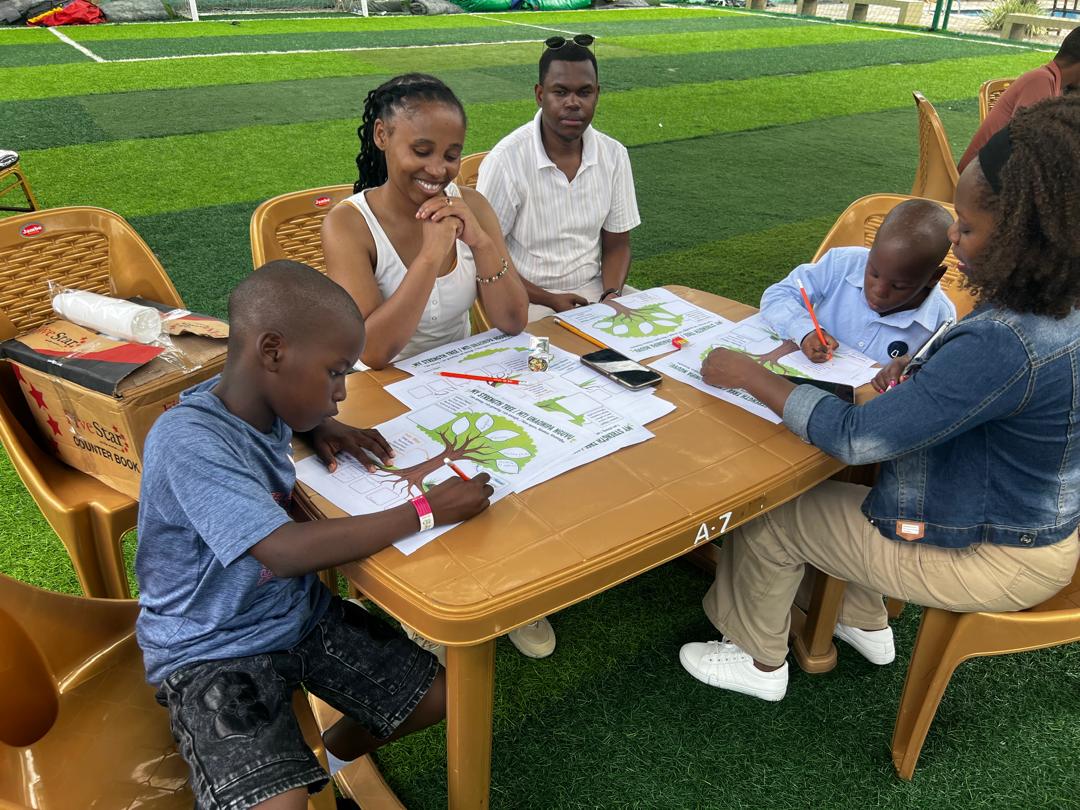
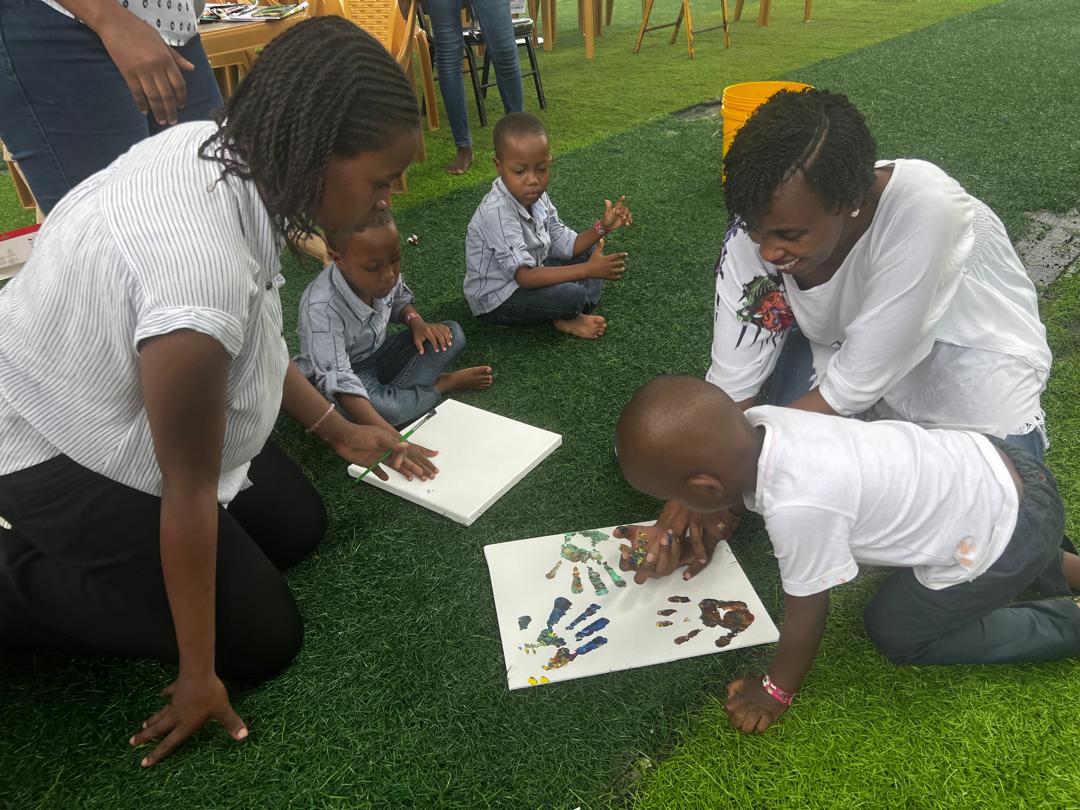
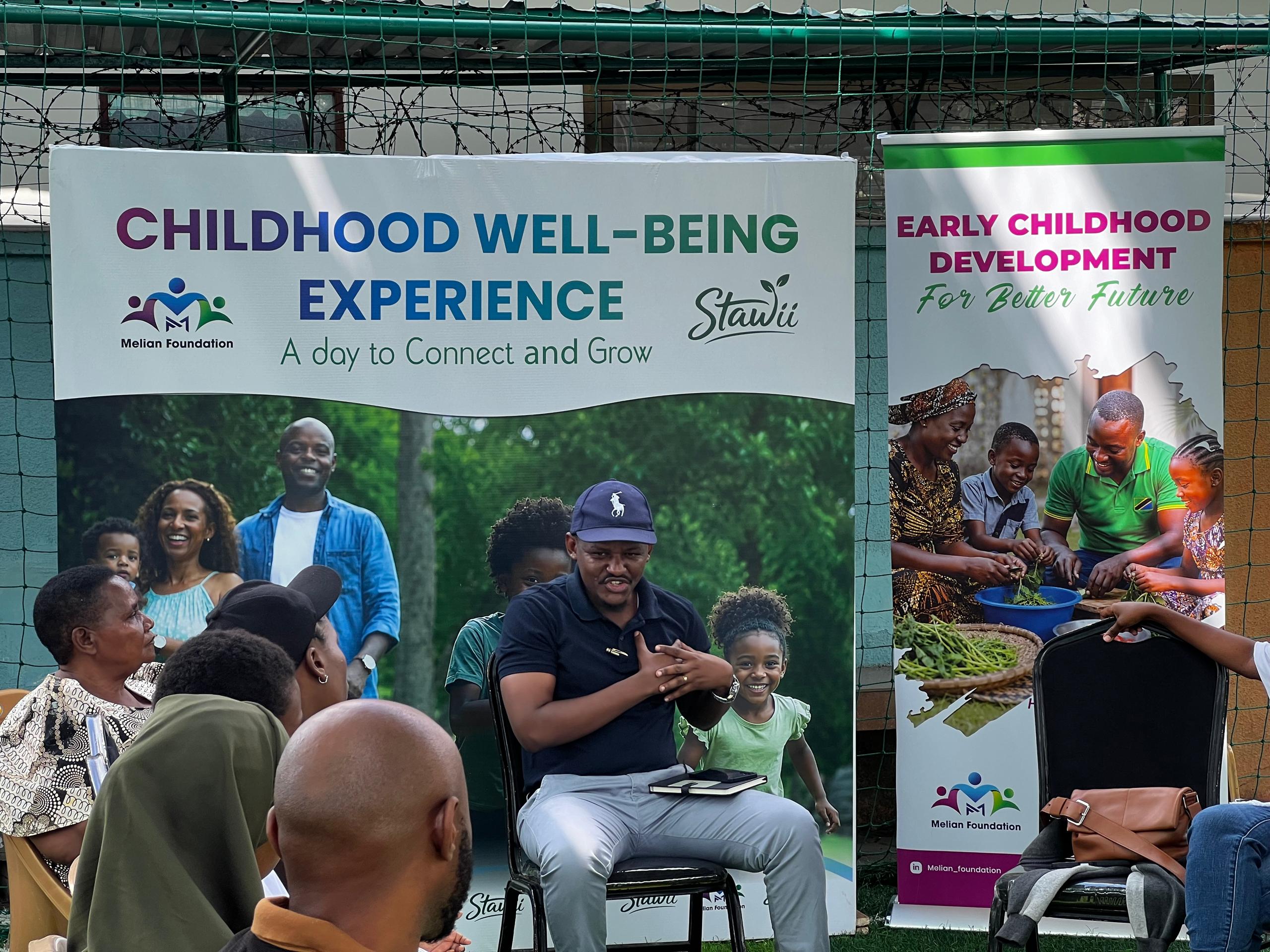
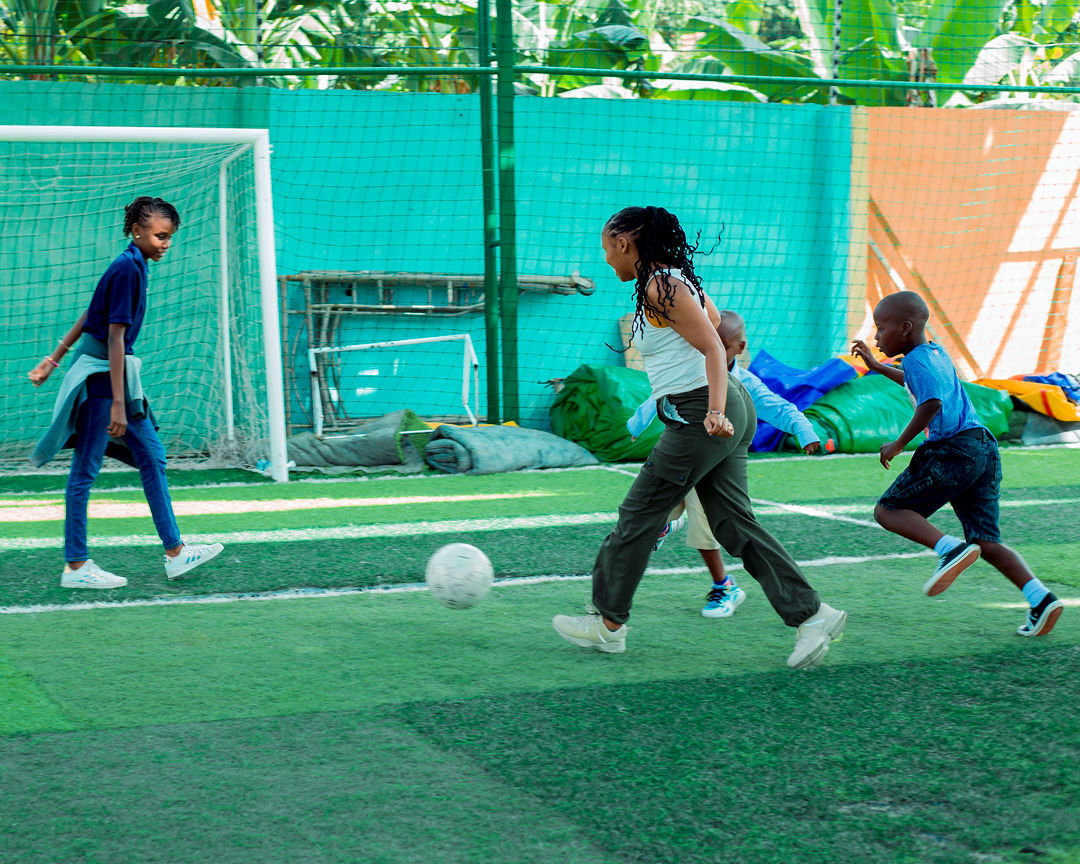
Whether you are a parent, teacher, community leader, health worker, or policymaker — you play a role in a child's first eight years. Start today.